Tell us about the job
Takes about a minute. No obligation.
A water heater here has not been sitting in mild conditions. 227 severe weather events were recorded in Marion County, Indiana between 2015 and 2024. At that rate, severe weather is a standing feature of life for every system in this county, and the wear it drives into water heater components is real and cumulative. A contractor diagnosing a failure here checks pressure relief valves, connections, and the tank itself for stress-related deterioration before pointing to age or installation as the primary cause.
A water heater in a house this old has probably been replaced at least once, but the replacement itself may now be old enough that the components it takes are no longer stocked by every supplier. Half the homes in Marion County, Indiana were built in 1973 or earlier (2020-2024 ACS 5-year). That matters to a repair job because a contractor opening a unit here faces a real chance that what the system needs is a part a local distributor has to order, or no longer carries at all. The age of the housing puts a floor under how long the equipment has been running, and that floor is high enough to push certain repairs toward a longer turnaround than the homeowner expects.
The Parts of a Water Heater a Contractor Checks During a Repair
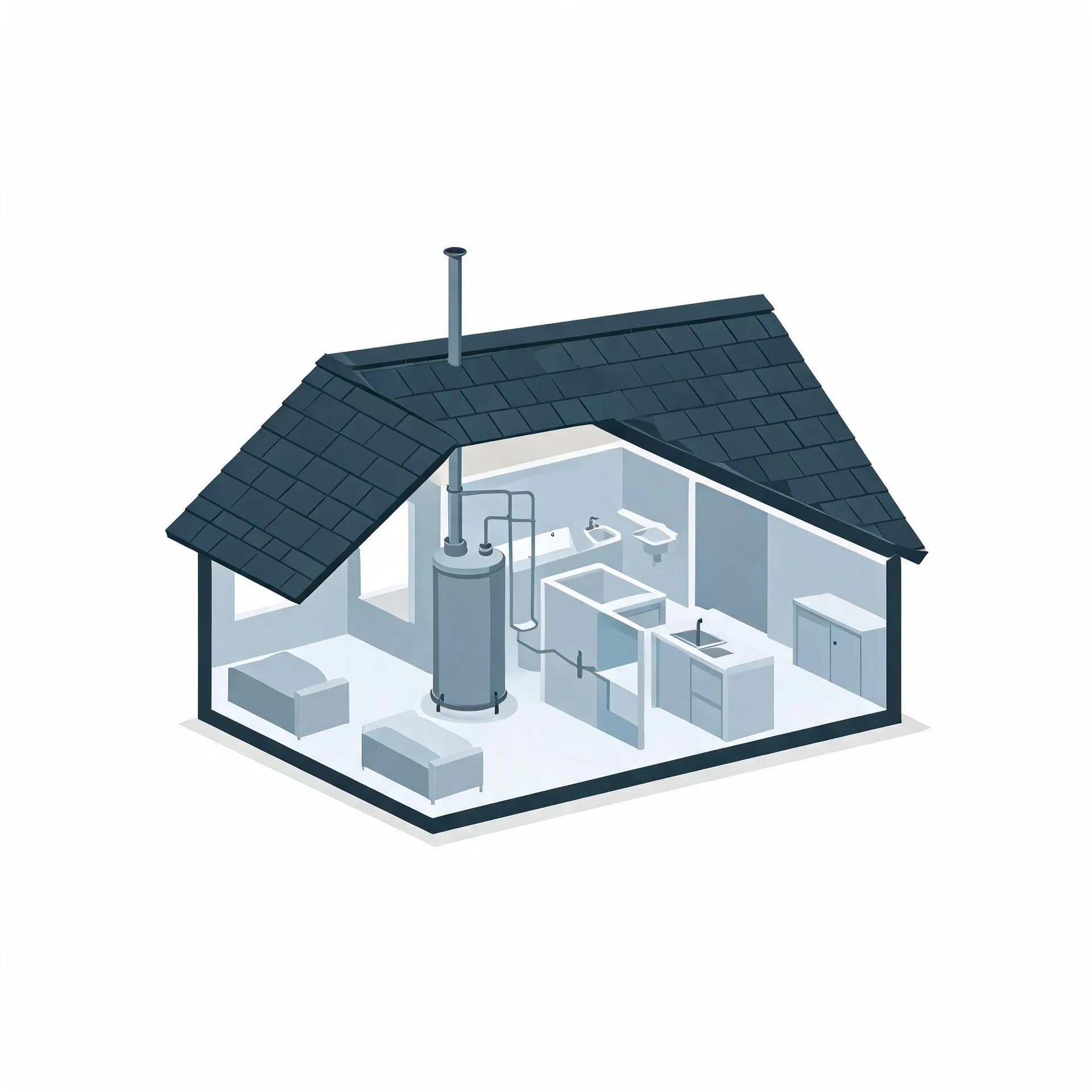
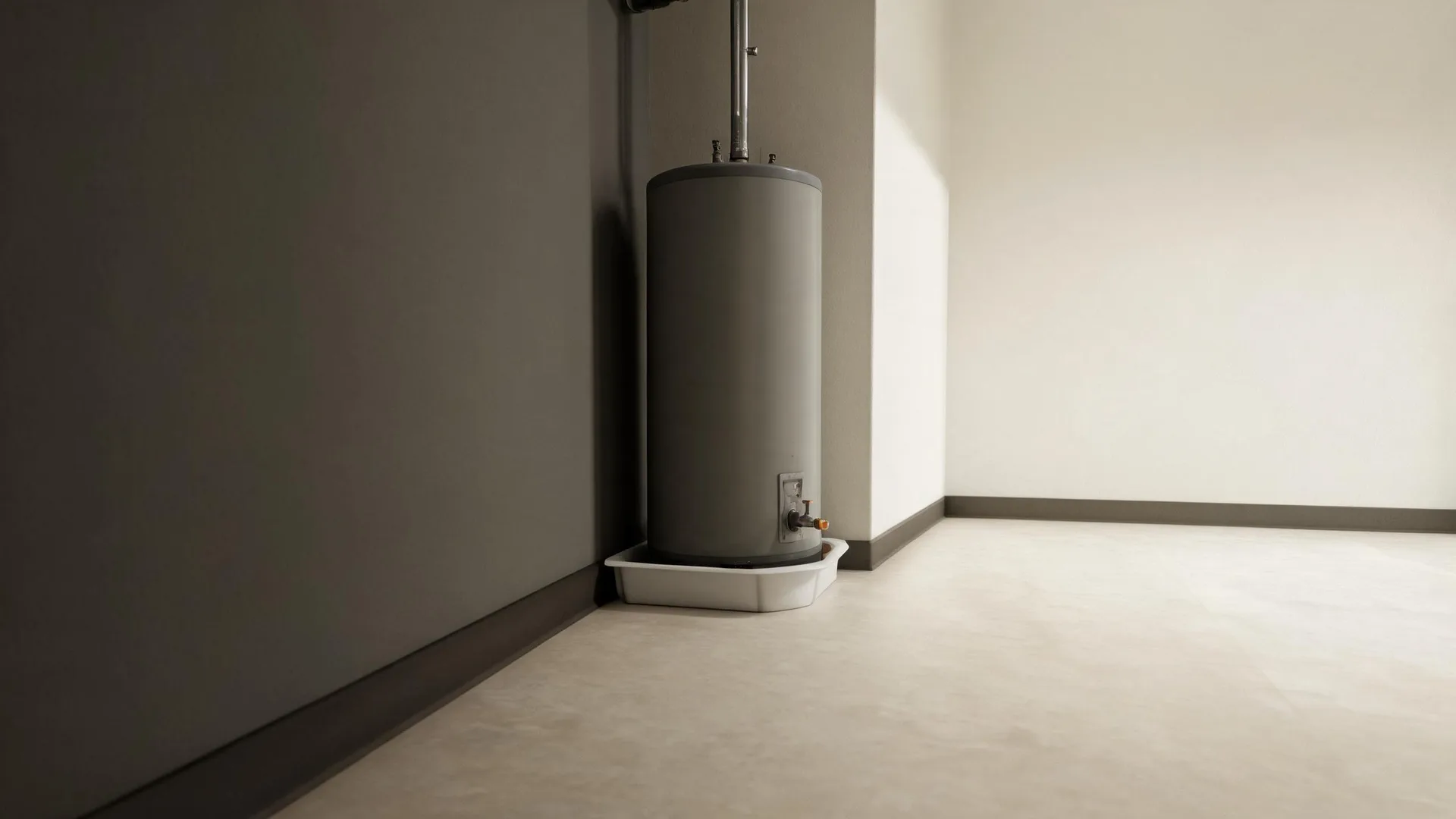
The tank is what most homeowners recognize first, a large insulated cylinder that sits in a utility room, basement, or garage and holds water at a set temperature. Attached to it are the heating elements or burner assembly, depending on whether the unit runs on electricity or gas, and the thermostat that tells those components when to fire. When the water runs cold or the unit makes noise, these are the pieces a contractor looks at first.
The pressure relief valve mounts on the side of the tank and opens automatically if pressure inside climbs too high. The anode rod runs through the interior and slows corrosion of the tank walls. Supply and discharge pipes connect at the top, carrying cold water in and hot water out to the rest of the house. Any of these can be the source of a leak, a drop in performance, or a visible fault.
The drawing shows a typical layout, and a licensed contractor determines what applies to the specific unit and installation in your home.
Find a contractor in Marion CountyMarion County, Indiana, by the numbers
227 severe weather events were recorded in Marion County, Indiana between 2015 and 2024.
NOAA National Centers for Environmental Information, Storm Events Database, bulk CSV export, events 2015-01-01 through 2024-12-31.Half the homes in Marion County, Indiana were built in 1973 or earlier (2020-2024 ACS 5-year).
U.S. Census Bureau, 2020-2024 American Community Survey 5-Year EstimatesMarion County, Indiana holds 441,040 housing units (2020-2024 ACS 5-year).
U.S. Census Bureau, 2020-2024 American Community Survey 5-Year EstimatesOwners occupy 56.5% of the occupied homes in Marion County, Indiana (2020-2024 ACS 5-year).
U.S. Census Bureau, 2020-2024 American Community Survey 5-Year EstimatesSevere Weather Events in Marion County
Marion County's climate puts steady pressure on water heaters, which run harder when outdoor temperatures swing and storm activity disrupts power and water supply. How much stress a unit accumulates over time is a local question, and the record below shows what the weather here has looked like.
227 severe weather events, 2015–2024. Source: NOAA National Centers for Environmental Information, Storm Events Database.