Tell us about the job
Takes about a minute. No obligation.
A contractor quoting a water heater repair in Harrison County has to work out whether the failure traces back to the unit's age, how it was installed, or how consistently it has been serviced. 118 severe weather events were recorded in Harrison County, Indiana between 2015 and 2024. At roughly that rate, severe weather is a real but irregular presence, not something every system here has been ground down by year after year. Sediment buildup, a failing heating element, and corroded fittings are far more likely explanations for what a contractor finds than storm-related wear.
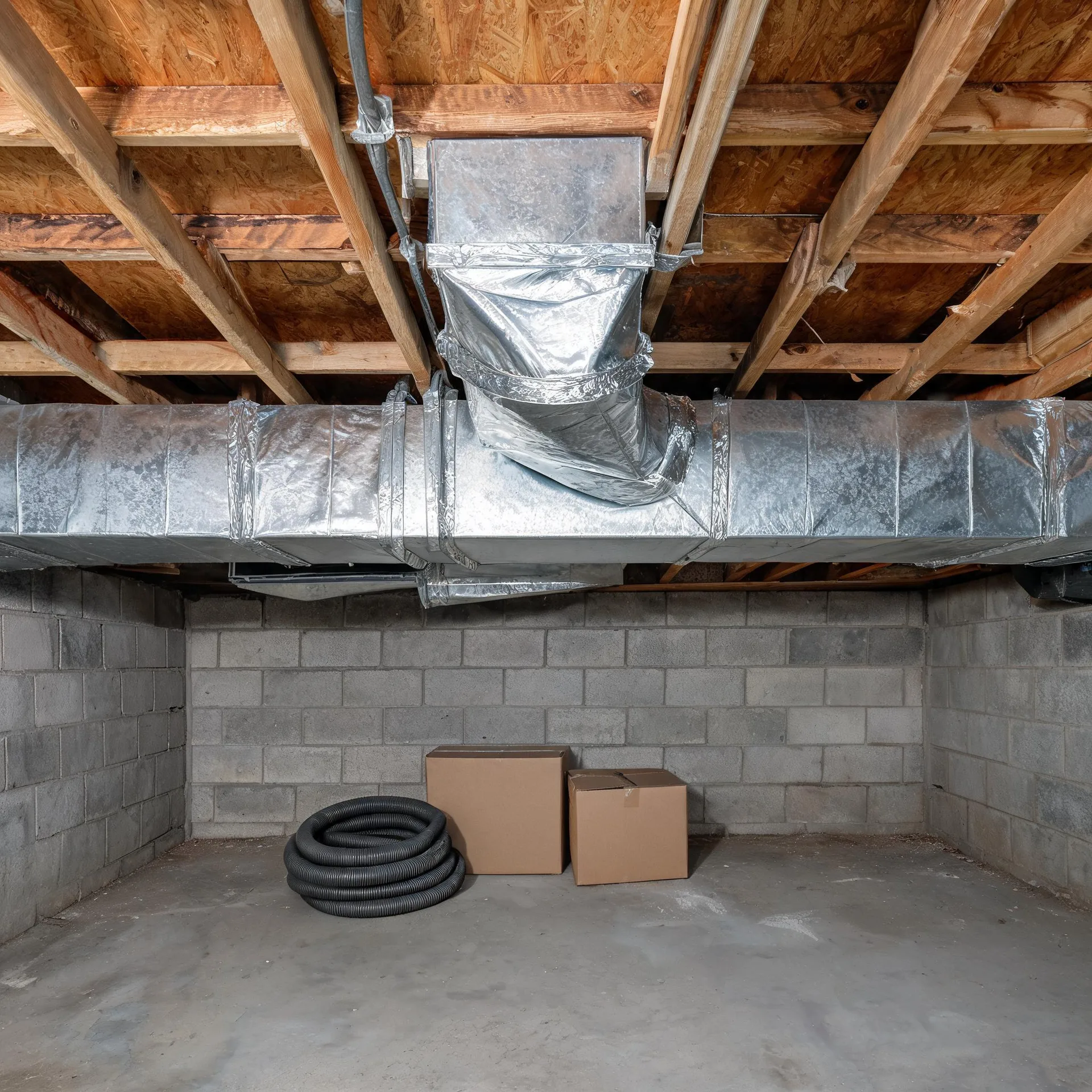
Half the homes in Harrison County, Indiana were built in 1990 or earlier (2020-2024 ACS 5-year). A water heater running in a house built around that period has likely been replaced at least once since, but the replacement unit is itself old enough now that parts availability becomes a real variable. When a contractor opens the system, the question that shapes the repair bill is whether the components that unit requires are still manufactured or have gone to special-order only. That gap between what a catalog stocks and what an older unit needs is where repair costs in this county either stay manageable or climb.
The Parts of a Water Heater a Contractor Checks During a Repair
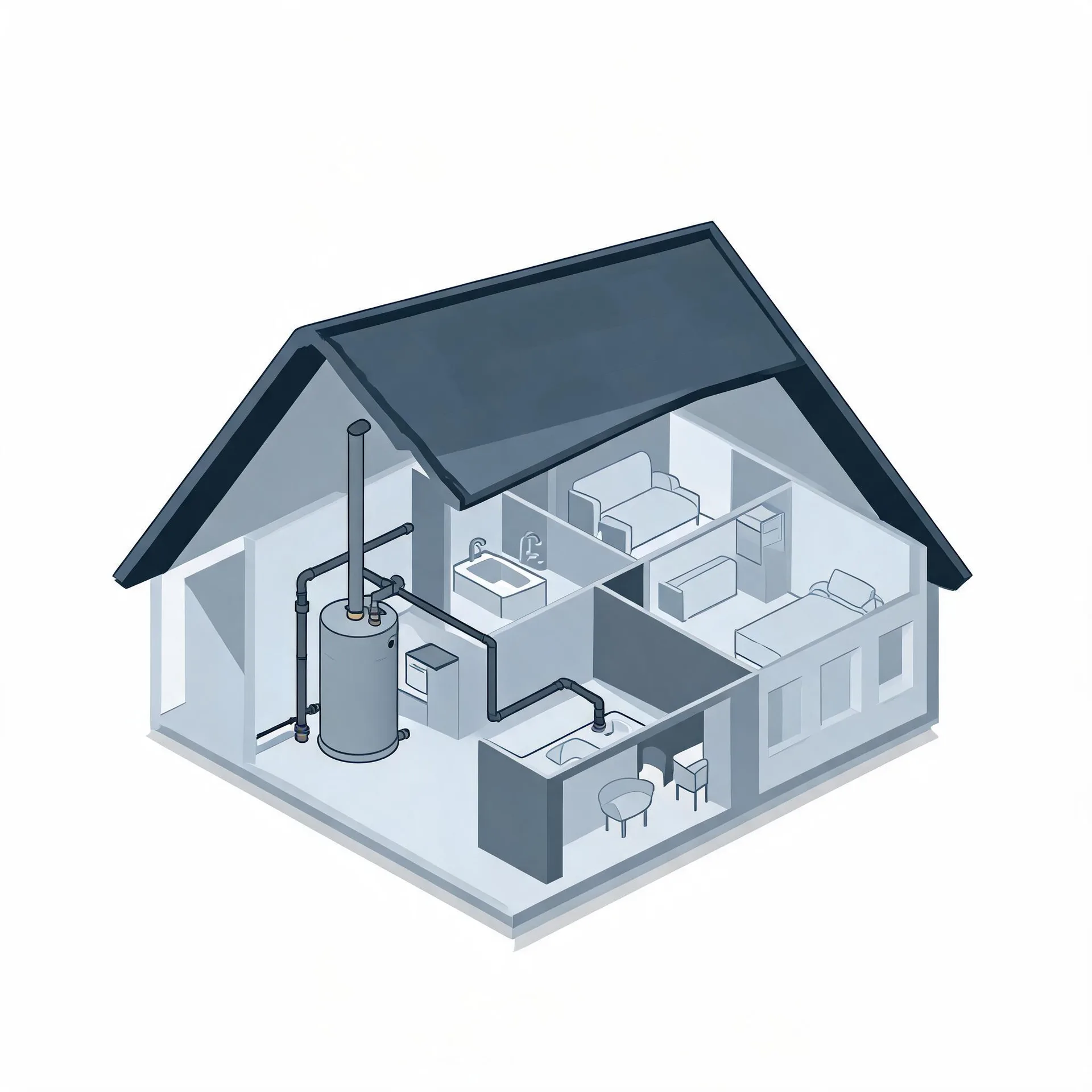
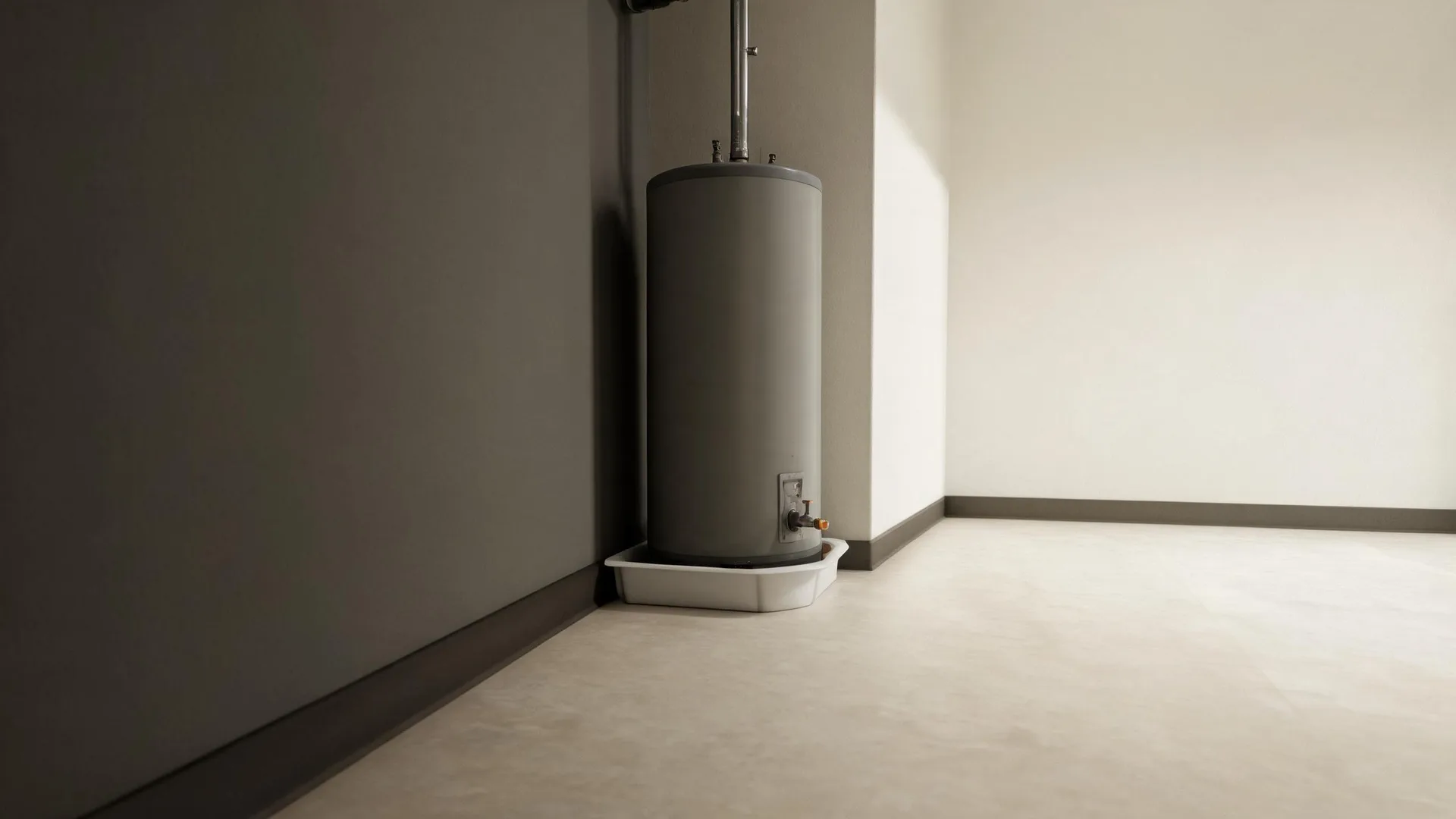
The tank is the piece a homeowner notices first, a large insulated vessel that sits in a basement, utility closet, or garage and holds water at a set temperature. The burner assembly or heating element lives at the base or inside the tank and is where heat is actually produced. When water runs cold or the unit cycles oddly, both pieces are on a contractor's short list.
The thermostat controls when the heating source fires and at what point it cuts off. The pressure relief valve mounts to the side of the tank and opens if pressure or temperature climbs too high. The anode rod hangs inside the tank to slow corrosion, and the dip tube directs incoming cold water to the bottom so it heats evenly before anyone draws from the top.
The drawing shows a general layout of these components, and a licensed contractor determines which of them apply and what condition they are in for the specific unit in your home.
Find a contractor in Harrison CountyHarrison County, Indiana, by the numbers
118 severe weather events were recorded in Harrison County, Indiana between 2015 and 2024.
NOAA National Centers for Environmental Information, Storm Events Database, bulk CSV export, events 2015-01-01 through 2024-12-31.Half the homes in Harrison County, Indiana were built in 1990 or earlier (2020-2024 ACS 5-year).
U.S. Census Bureau, 2020-2024 American Community Survey 5-Year EstimatesHarrison County, Indiana holds 16,953 housing units (2020-2024 ACS 5-year).
U.S. Census Bureau, 2020-2024 American Community Survey 5-Year EstimatesOwners occupy 83.6% of the occupied homes in Harrison County, Indiana (2020-2024 ACS 5-year).
U.S. Census Bureau, 2020-2024 American Community Survey 5-Year EstimatesSevere Weather Events in Harrison County
Water heaters work harder after weather extremes, cycling through pressure and temperature swings that accelerate wear on tanks, valves, and connections. How often that stress hits depends on where the equipment sits, which makes local storm history a real factor in repair frequency.
118 severe weather events, 2015–2024. Source: NOAA National Centers for Environmental Information, Storm Events Database.