Tell us about the job
Takes about a minute. No obligation.
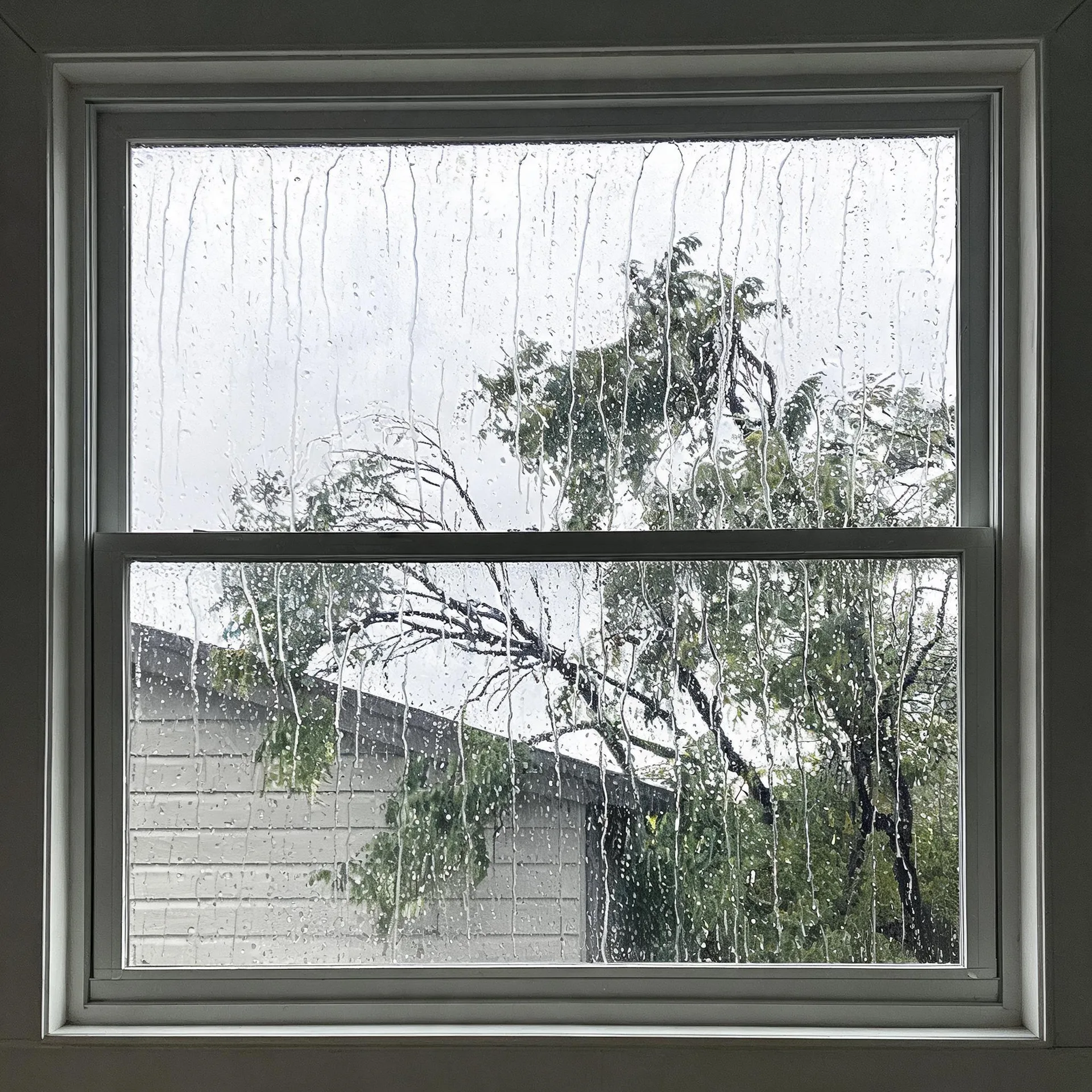
A contractor sizing or replacing a water heater in Owen County starts with the unit itself: how old it is, how it was installed, and whether it has been maintained. 46 severe weather events were recorded in Owen County, Indiana between 2015 and 2024. At roughly that rate, severe weather touches most equipment only a handful of times across its working life. That is not enough load to explain a failed element, a corroded anode rod, or a tank that never delivered the right capacity. The contractor's first questions are about installation quality and service history, because those are what the record here points toward.
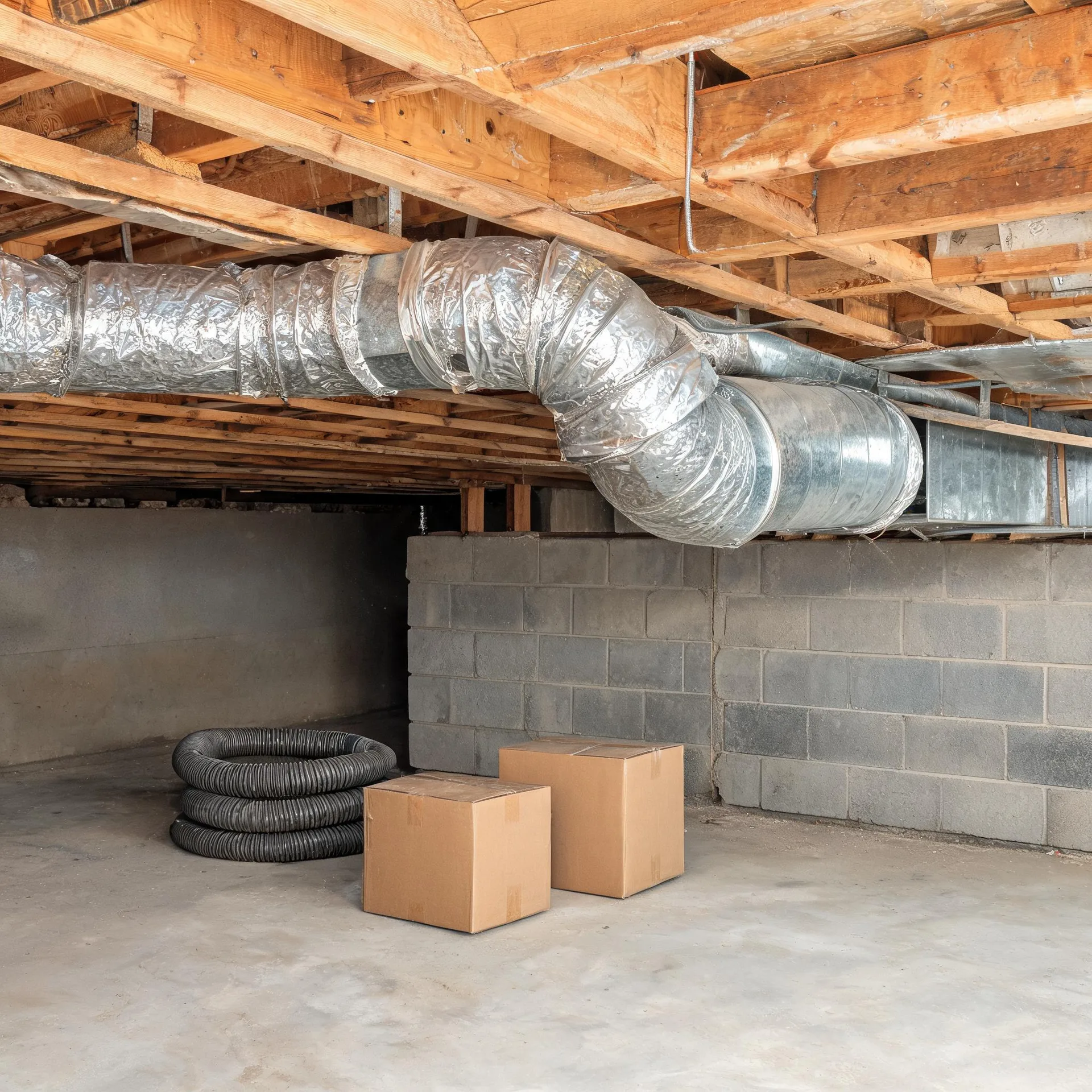
Older ductwork and electrical runs were sized for what came with the house originally, and a water heater swap puts both of those to the test. Half the homes in Owen County, Indiana were built in 1982 or earlier (2020-2024 ACS 5-year). That means a contractor working here checks what the existing lines will actually carry before any new unit is selected, not after. If the rough-in does not match what a modern unit needs, the installation scope grows before the equipment question is even settled.
What a Water Heater Installation Covers
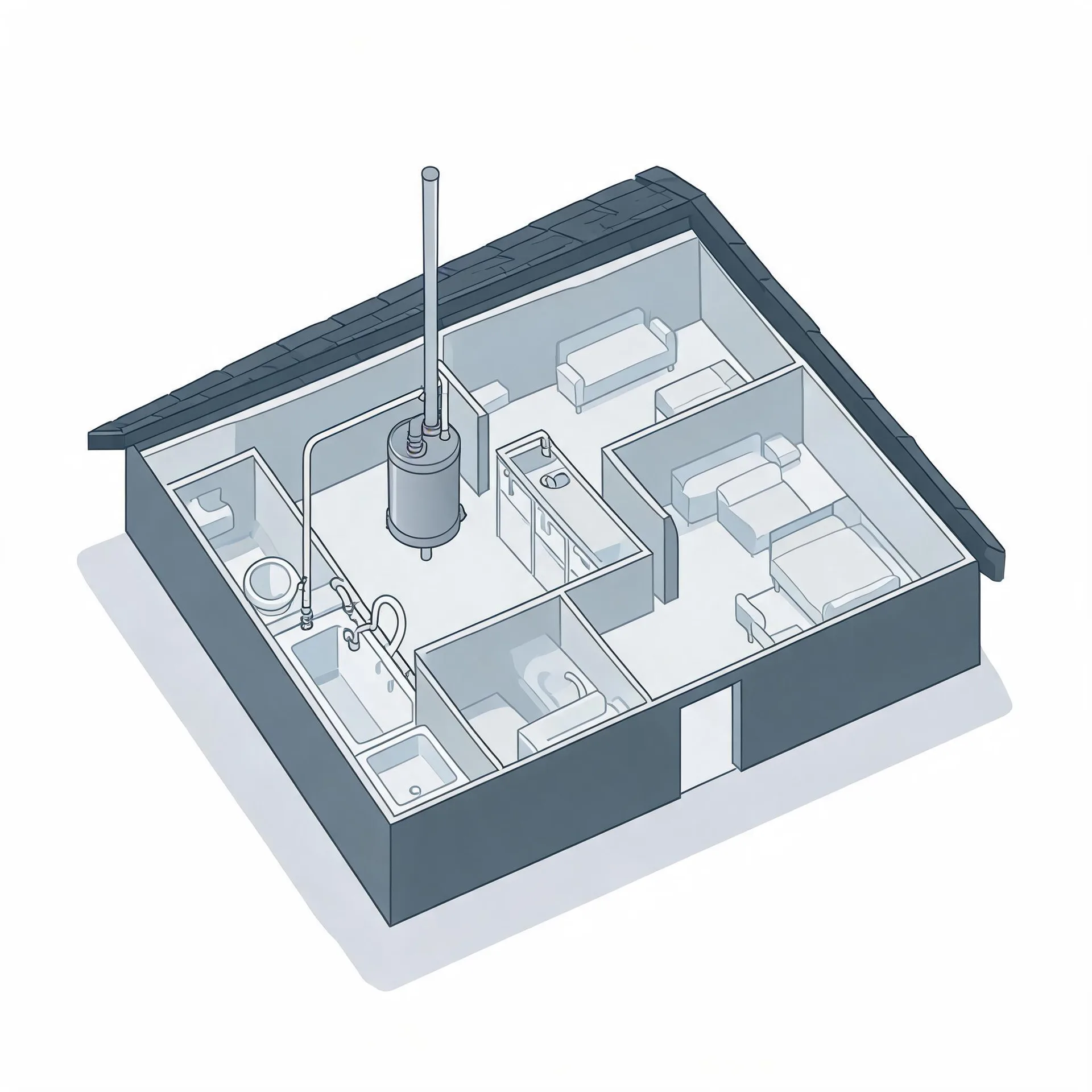
The storage tank is the piece most homeowners recognize. It sits in a utility room, basement, or garage and holds a supply of heated water ready for the tap. A gas unit has a burner assembly at its base and a flue running out through the roof; an electric unit carries heating elements inside the tank itself.
The pressure relief valve mounts to the side of the tank and opens if pressure inside climbs too high. The cold supply line feeds in at the top, and the hot outlet line leaves from the same area. A drain valve at the base lets a contractor flush the tank, and an anode rod inside slows corrosion of the tank walls.
The drawing shows a standard layout, and a licensed contractor determines what fits the conditions in your house.
Find a contractor in Owen CountyOwen County, by the numbers
46 severe weather events were recorded in Owen County, Indiana between 2015 and 2024.
NOAA National Centers for Environmental Information, Storm Events Database, bulk CSV export, events 2015-01-01 through 2024-12-31.Half the homes in Owen County, Indiana were built in 1982 or earlier (2020-2024 ACS 5-year).
U.S. Census Bureau, 2020-2024 American Community Survey 5-Year EstimatesOwen County, Indiana holds 9,918 housing units (2020-2024 ACS 5-year).
U.S. Census Bureau, 2020-2024 American Community Survey 5-Year EstimatesOwners occupy 81.4% of the occupied homes in Owen County, Indiana (2020-2024 ACS 5-year).
U.S. Census Bureau, 2020-2024 American Community Survey 5-Year EstimatesSevere Weather Events in Owen County
Extreme weather puts real strain on water heaters, which work harder when temperatures outside swing far from normal. How much stress local conditions place on a unit is a local question, and the pattern of recorded events in this county is part of that picture.
46 severe weather events, 2015–2024. Source: NOAA National Centers for Environmental Information, Storm Events Database.