Tell us about the job
Takes about a minute. No obligation.

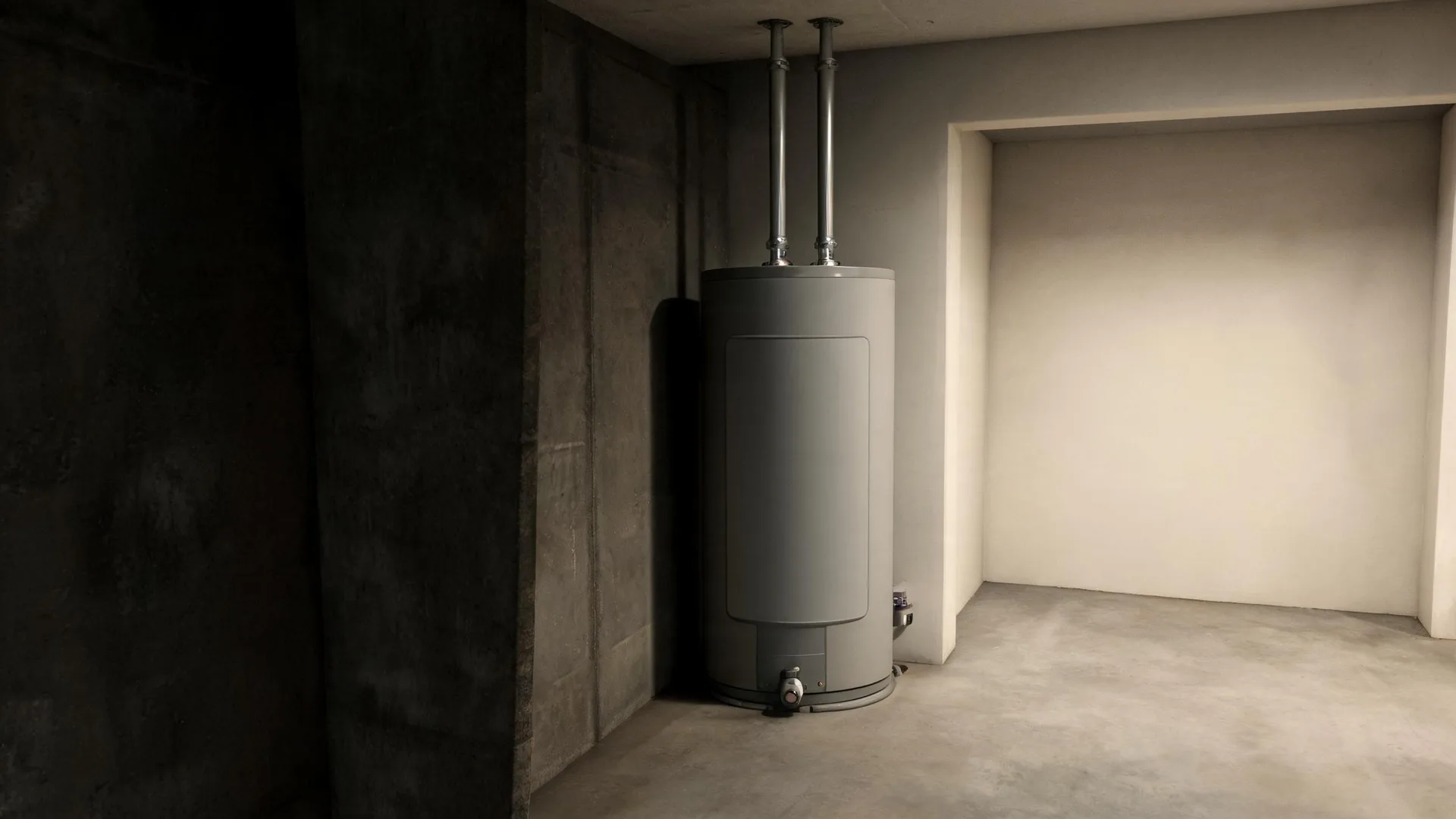
A contractor quoting a water heater installation in Porter County has to account for what this area's weather actually demands of equipment, not what a catalog default assumes. 145 severe weather events were recorded in Porter County, Indiana between 2015 and 2024. At that rate, severe weather is a standing condition here, and a unit sized or installed without that in mind will be under-built for the load it faces. Venting runs, expansion tanks, and pressure relief specs are all local decisions, not boilerplate ones.
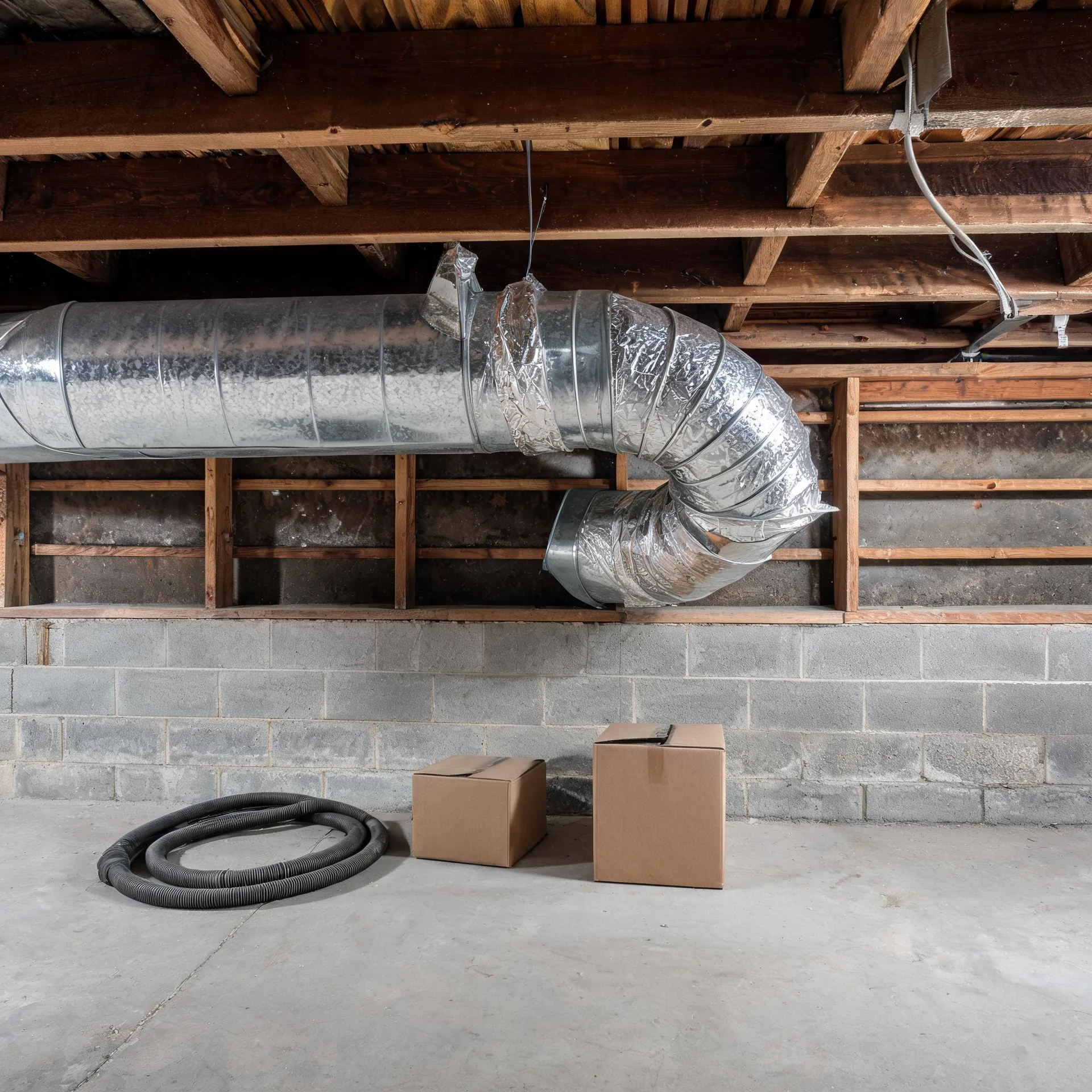
The electrical panel in a Porter County home is where a water heater installation often stalls. Half the homes in Porter County, Indiana were built in 1982 or earlier (2020-2024 ACS 5-year). Equipment draws have changed considerably since that housing was wired, and a panel that was adequate then may not carry what a modern unit requires. A contractor will open the panel box before settling on a unit, because what it shows determines whether the install is straightforward or whether a licensed electrician has to come in first.
What Gets Installed With a New Water Heater
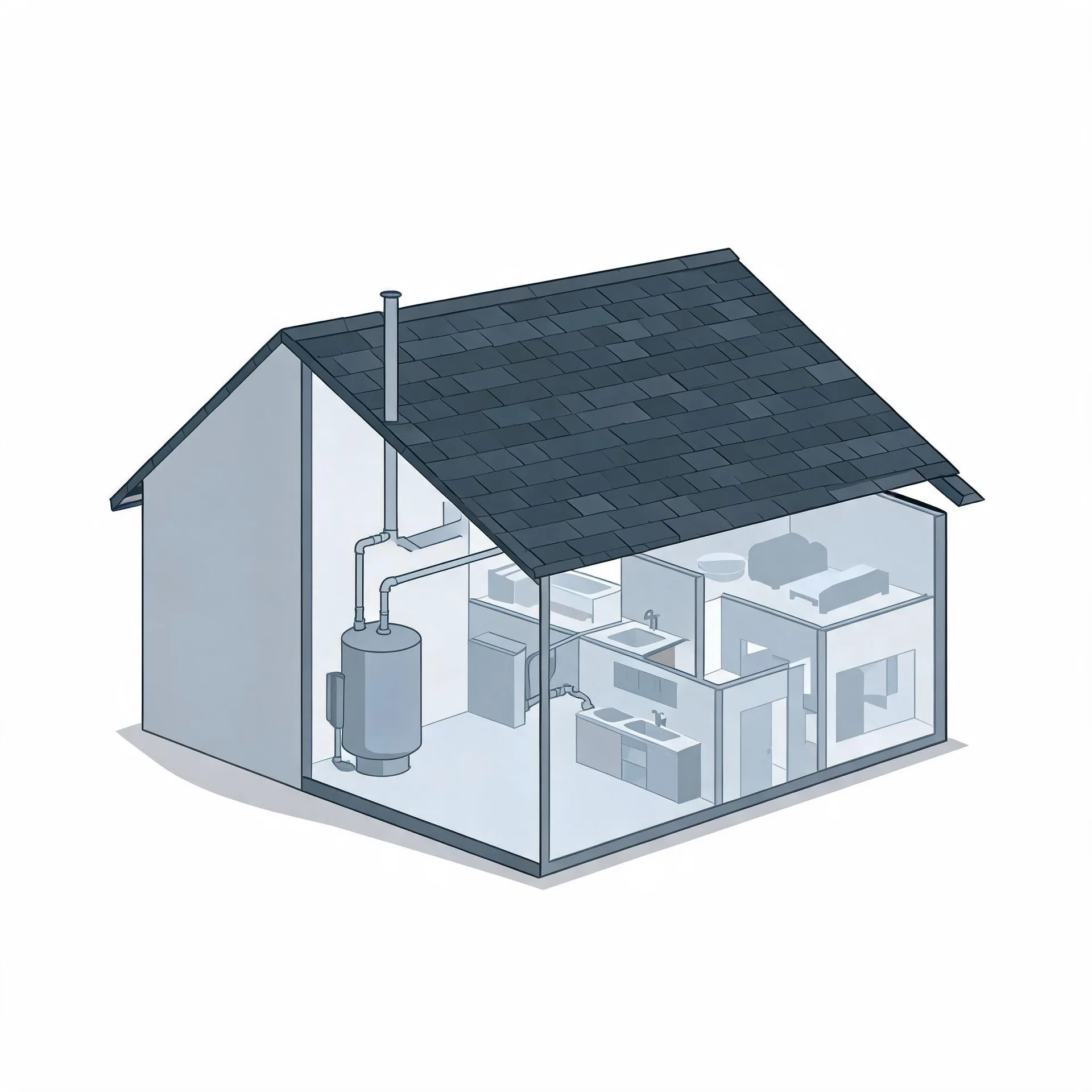
The storage tank is the piece a homeowner sees first, a large insulated vessel that sits in a utility room, basement, or garage and holds water at a set temperature until a tap calls for it. Attached to the tank are the inlet and outlet connections, which bring cold water in and carry hot water to the rest of the house.
The pressure relief valve mounts directly on the tank and opens if internal pressure climbs past a safe point. A drain valve sits near the base for future servicing. The flue or vent stack rises from the top of a gas unit and exits through the roof or an exterior wall, carrying combustion gases out of the living space.
The drawing shows the general layout of these components, and a licensed contractor determines exactly how each one is configured for this particular house.
Find a contractor in Porter CountyPorter County, by the numbers
145 severe weather events were recorded in Porter County, Indiana between 2015 and 2024.
NOAA National Centers for Environmental Information, Storm Events Database, bulk CSV export, events 2015-01-01 through 2024-12-31.Half the homes in Porter County, Indiana were built in 1982 or earlier (2020-2024 ACS 5-year).
U.S. Census Bureau, 2020-2024 American Community Survey 5-Year EstimatesPorter County, Indiana holds 72,662 housing units (2020-2024 ACS 5-year).
U.S. Census Bureau, 2020-2024 American Community Survey 5-Year EstimatesOwners occupy 77.7% of the occupied homes in Porter County, Indiana (2020-2024 ACS 5-year).
U.S. Census Bureau, 2020-2024 American Community Survey 5-Year EstimatesSevere Weather Events in Porter County
Water heaters work harder when local conditions push household demand up sharply and repeatedly. How often that happens in Porter County shapes what a contractor specifies and how a system is sized for the long run.
145 severe weather events, 2015–2024. Source: NOAA National Centers for Environmental Information, Storm Events Database.