Tell us about the job
Takes about a minute. No obligation.

A contractor quoting a water heater install in Floyd County starts with the house: how many people, what fuel is available, and what the current unit was actually doing before it failed. 76 severe weather events were recorded in Floyd County, Indiana between 2015 and 2024. At that rate, severe weather is an occasional fact of life here rather than a constant operating pressure, which means it seldom drives what a water heater wears out first. Sediment buildup, undersized capacity, and a poor original install account for far more of what contractors find when they pull a failing unit than weather stress does.
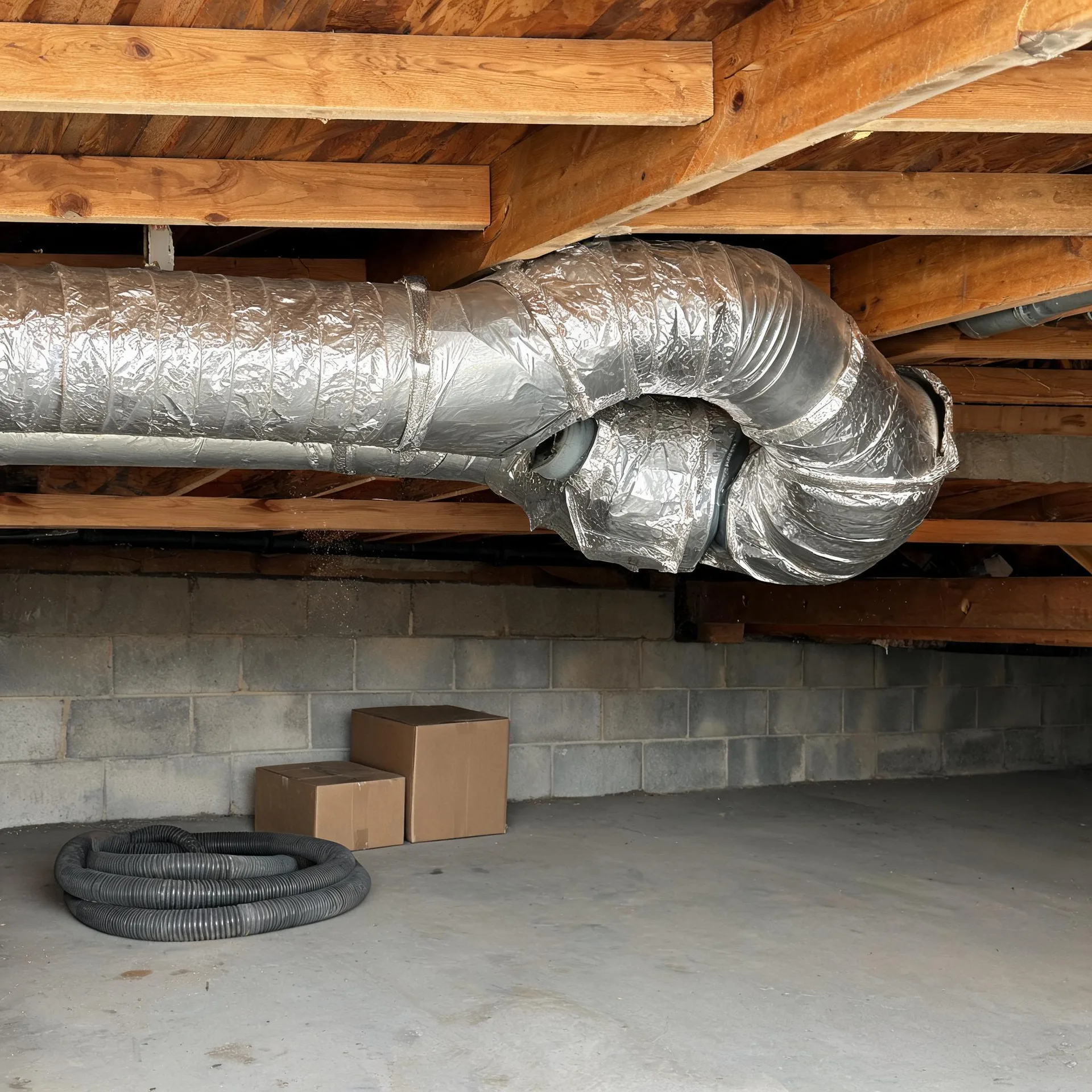
Ductwork laid into a house tells a contractor what the building was built to move, and in Floyd County that is where a water heater installation gets settled. Half the homes in Floyd County, Indiana were built in 1980 or earlier (2020-2024 ACS 5-year). Wiring run for the original equipment and duct runs sized for it may carry a modern unit without issue, or they may not, and the only way to know is to look at what is there. A contractor who skips that step is quoting the equipment before knowing whether the house will take it.
What Gets Installed With a New Water Heater

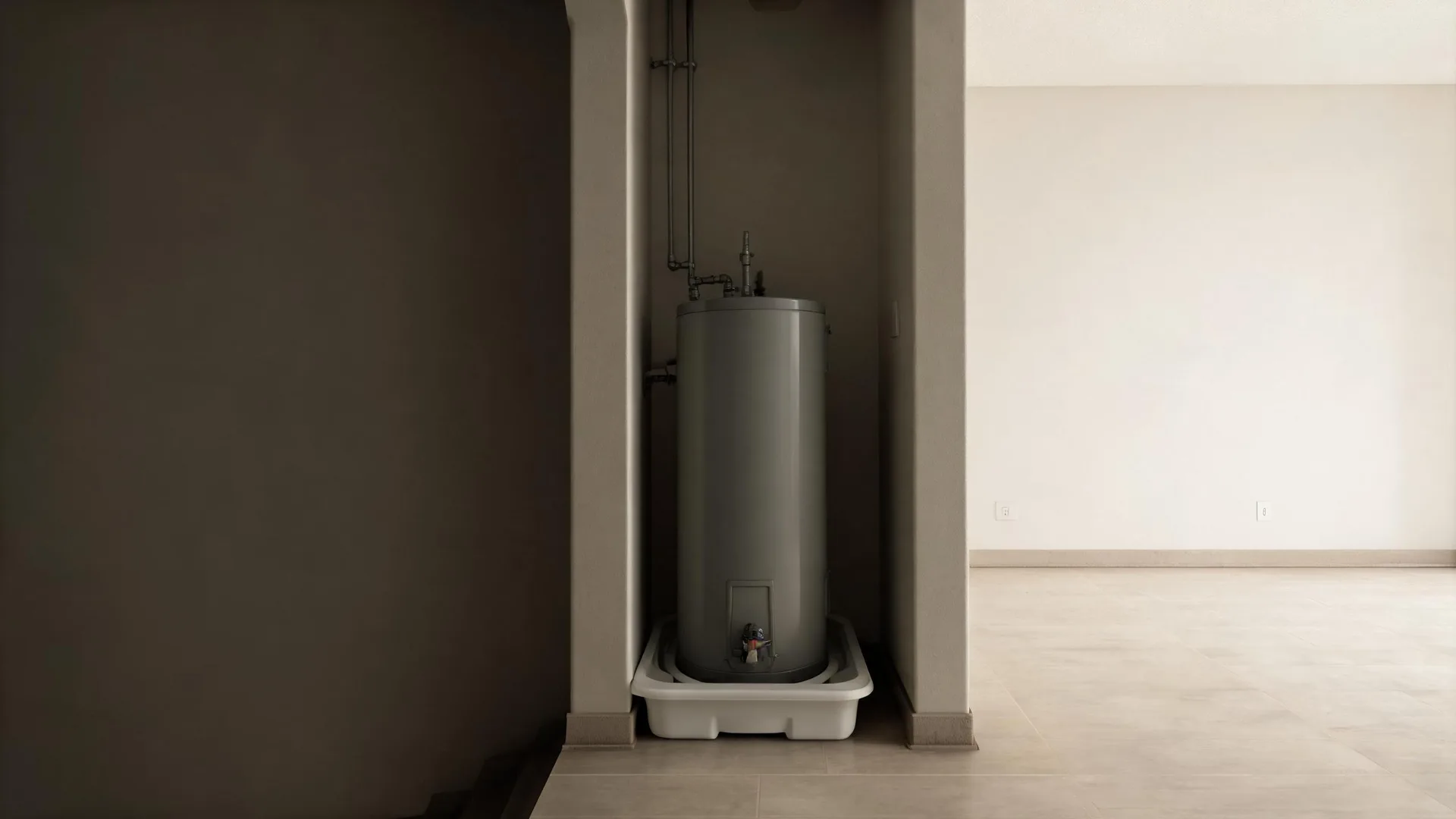
The storage tank is the piece most homeowners see first. It sits in a utility room, basement, or garage and holds the water that gets heated and sent through the house. A pressure relief valve mounts directly on the tank and opens if pressure inside builds past a safe point.
The supply and return lines connect the tank to the rest of the plumbing, carrying cold water in and hot water out to every fixture. A drain valve at the base of the tank lets a contractor flush sediment during setup. Where gas is the fuel source, a flue pipe runs from the tank up and out of the house to vent combustion gases.
The drawing shows a typical layout, and a licensed contractor determines exactly what applies to this house based on its plumbing configuration and fuel source.
Find a contractor in Floyd CountyFloyd County, Indiana, by the numbers
76 severe weather events were recorded in Floyd County, Indiana between 2015 and 2024.
NOAA National Centers for Environmental Information, Storm Events Database, bulk CSV export, events 2015-01-01 through 2024-12-31.Half the homes in Floyd County, Indiana were built in 1980 or earlier (2020-2024 ACS 5-year).
U.S. Census Bureau, 2020-2024 American Community Survey 5-Year EstimatesFloyd County, Indiana holds 34,833 housing units (2020-2024 ACS 5-year).
U.S. Census Bureau, 2020-2024 American Community Survey 5-Year EstimatesOwners occupy 73.2% of the occupied homes in Floyd County, Indiana (2020-2024 ACS 5-year).
U.S. Census Bureau, 2020-2024 American Community Survey 5-Year EstimatesSevere Weather Events in Floyd County
Floyd County's weather puts real demand on water heating equipment, driving it harder in some years than others. How much a unit has been worked tells you something about what size and grade of equipment makes sense for a home here.
76 severe weather events, 2015–2024. Source: NOAA National Centers for Environmental Information, Storm Events Database.